
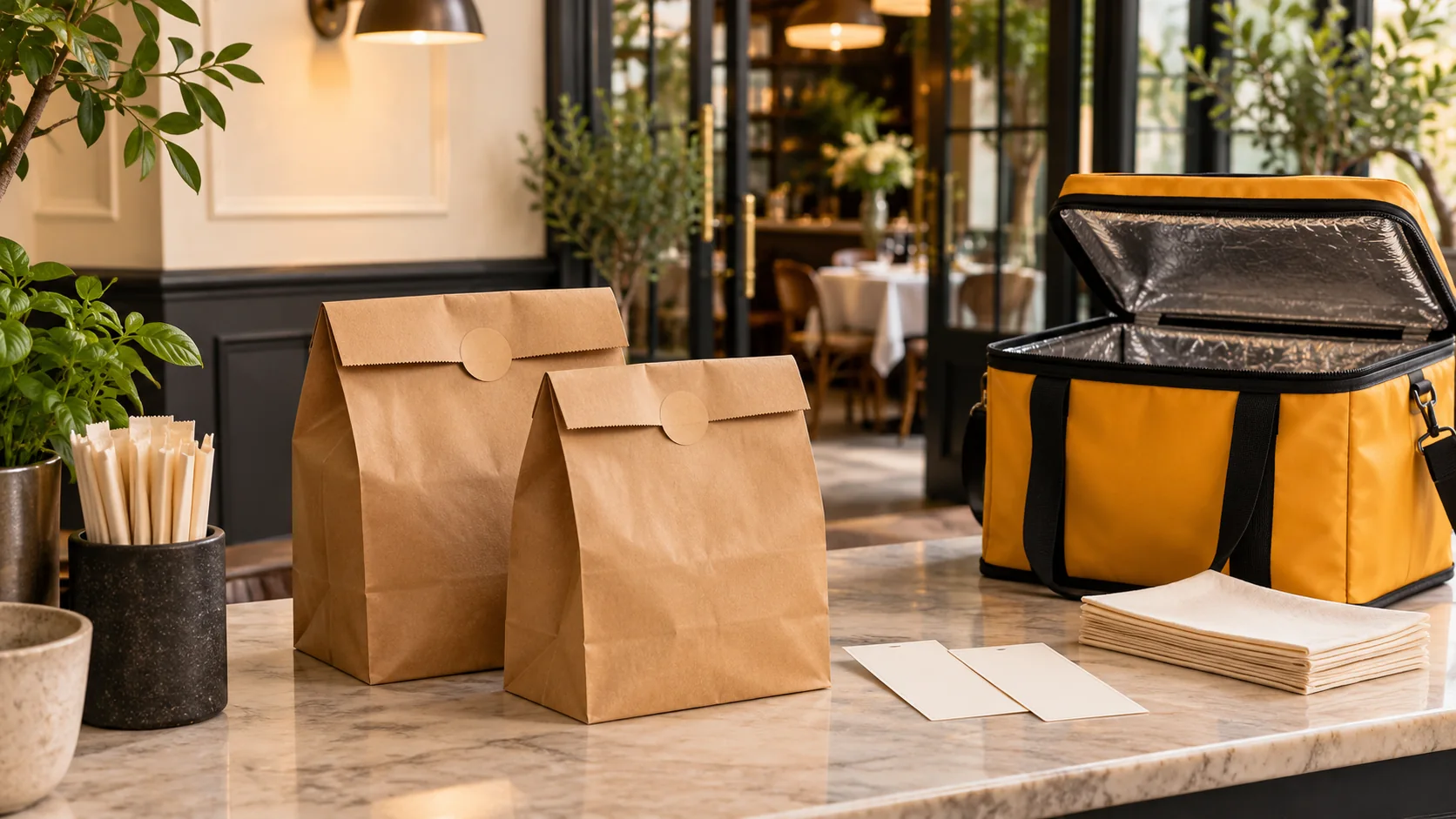
- Confirm the order is ready
- Assign and observe the handoff
- Reconcile completion and collection
A useful dispatch system makes the next responsible person clear, including when the normal plan changes.
Illustrative decision process, not a product screenshot or customer result.The best delivery management system for a restaurant should help the team coordinate ready food, rider responsibility, customer updates and the final completion record. A map is only one part of that task. The harder questions concern what happens before a rider leaves and after the order reaches the customer.
Use this scorecard to evaluate a proposed configuration. It describes requirements to demonstrate, not automatic features or a guarantee of delivery speed. Rider provision, vehicles and operating supervision remain separate matters to confirm.
Start with the packed order
Before assignment, someone should confirm that the correct items are packed and the order is ready for handover. Ask how that state is represented and who is allowed to change it. Assigning a rider to food that is not ready can hide preparation delays inside a delivery metric.
Use a sample order with two bags or a separate drink. Ask the packer and rider to identify the complete handover by order reference. The software should be evaluated against the restaurant’s actual packing process.
Score five dispatch decisions
| Decision | Demonstration task | Evidence to retain |
|---|---|---|
| Readiness | Mark a verified packed order ready | Responsible role and current order details |
| Assignment | Give the order to an available rider | Clear ownership of the delivery task |
| Reassignment | Change the rider in an authorised test | Both parties understand the new responsibility |
| Exception | Simulate an unsuccessful handover or delay | Named person and next action |
| Closure | Complete delivery and review collection | Completion and settlement are distinguishable |
Use pass, needs clarification and not verified for each essential requirement. Avoid reducing a critical failure to a small deduction in an otherwise attractive overall score.
Ask what the rider actually receives
Inspect the information available to the rider in the proposed workflow. It should be sufficient for the assigned task, with a clear reference and the relevant fulfilment details. Confirm who can access customer information and how access is limited to authorised operational use.
Test a corrected instruction before departure. The dispatcher should be able to explain which information is current and whether the rider has received the update. Do not assume that changing a field in an admin screen automatically communicates it to everyone.
Make delays explainable
Separate acceptance delay, preparation delay, packing delay, rider waiting and travel. If every delay is labelled “delivery late”, the owner cannot identify the operating problem. Ask what timestamps or status information the system actually records.
An illustrative order may wait ten minutes after packing because no rider is available. That is a different issue from food taking ten extra minutes to prepare. The proposed reporting should be assessed against the distinction you need, not assumed to provide it.
Test recovery and reassignment
Ask how the team handles a rider who becomes unavailable after assignment. Identify who can reassign the order and how the original rider is informed. Confirm the order does not remain ambiguously owned by two people.
For an unsuccessful delivery, require an agreed escalation path. The restaurant needs to know who contacts the customer, how the food and payment situation are reviewed and which record explains the final outcome. Software cannot substitute for every operating decision.
Separate delivered from settled
A completed drop does not necessarily mean that cash has reached the restaurant. Ask how the amount due, amount collected and handover to the restaurant are recorded. Treat discrepancies as items to investigate rather than automatically as rider misconduct.
Use the rider cash settlement guide to define a daily routine. If digital payments or refunds are involved, confirm their actual provider and reconciliation process separately.
Evaluate Restrova Fleet with a real script
Restrova provides delivery and rider management through Fleet. The related delivery demonstration introduces delivery-order management. It does not establish automatic route optimisation, every exception rule or a universal delivery-time promise.
Bring the scorecard to a workflow demo, review dispatch help and check pricing. Pair the exercise with location freshness checks before accepting any “live tracking” claim.
Dispatch questions
Is a map enough to evaluate delivery software?
No. Test readiness, assignment, exceptions, customer communication, completion and collection responsibilities as well.
Does Fleet software supply riders?
Do not assume that. Confirm the operational arrangement separately from the software capabilities and fees.
What should block launch?
Unclear ownership of an order, wrong delivery instructions or an unworkable recovery process should remain visible issues until the restaurant accepts a demonstrated resolution.
Related Restrova demonstration
Use this delivery-management introduction to prepare the dispatch discussion. Verify the specific tracking, settlement, zone or recovery requirements in this guide separately; the video is not proof of each capability.
Restrova Deliveries Demo | Restaurant Delivery Management System
Restrova’s deliveries demonstration introduces organizing and managing customer delivery orders.
Watch this demonstration on YouTube · Published
Written overview, not a transcript. Use a live demonstration to verify the specific requirements in this guide.